What Does a Medical Marijuana Card Look Like? A Complete Guide

The medical marijuana card is an identification document issued to eligible participants who have enrolled in a state-sanctioned medical cannabis program. The ID card may aid in identifying patients’ participation in such a program if they need to buy medical cannabis at a licensed dispensary. However, the format, design, and other conditions of the ID card may vary depending on the state where the participant has enrolled in a medical cannabis program.
medical marijuana card may come as physical documents or electronic records. Learning about the design, content, and ways of validation of the ID card can be useful for the process of registering as a medical marijuana user. The guide provides information about typical features of a medical marijuana card, differences between state programs, ID cards for caregivers, renewal process, and lost card replacement.
What Is a Medical Marijuana Card Like?
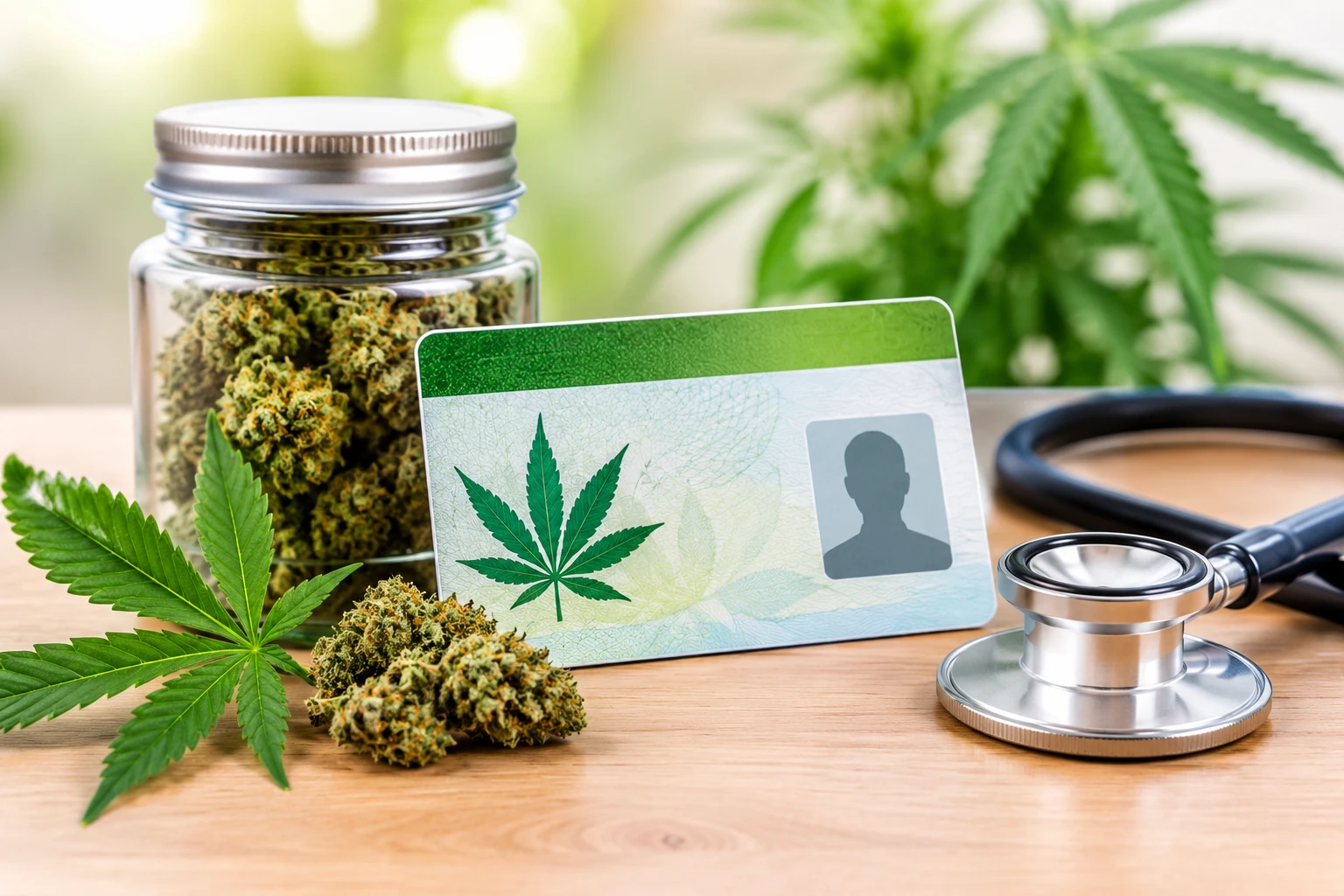
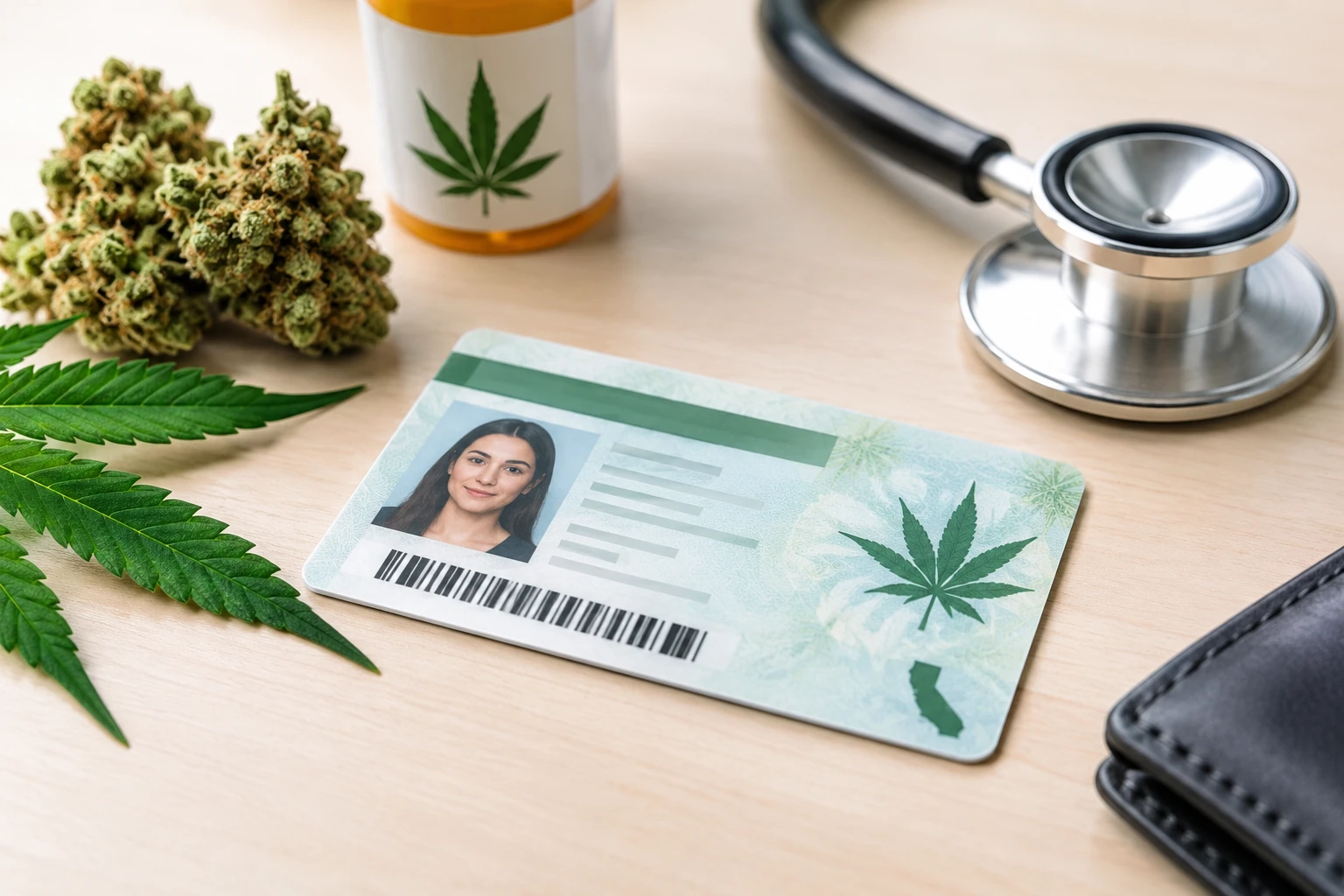
The medical marijuana card typically comes in the form of an ID card, which can be carried in one’s wallet. The details of the card include the image of the individual, his or her name, registration number, and expiration date.
The cards do not follow a uniform design in all states since states create their own application and verification processes. For instance, California runs its own Medical Marijuana Identification Card Program, which involves the counties of California, while Florida uses its Medical Marijuana Use Registry to verify the patient or caregiver identification.
A usual ID may have the following:
- Patient’s complete legal name
- Photograph or any other identification information
- Patient identification number or registry ID number
- Issue date or expiry date
- Name of the state which issued the card or some information about the medical marijuana program
- Bar code or QR code, etc., where applicable
- Not all programs have all these features included.
Information Found in Medical Marijuana Cards?
Some of the data that is available on a medical marijuana card can be used to verify the identity of the cardholder or enrolled patient.
1. Identification Information
The identification card may contain the name and picture of the patient, as well as other information such as date of birth or home address. The patients need to confirm that the information on the card matches what was provided during registration.
2. Patient Identification Number
The ID number will show the connection between the card and the specific medical marijuana program, and the dispensary workers may use this number or online database to find out whether the patient’s membership is valid.
For instance, the official program in California contains the identification number and some details about the county program that approved the application.
3. Expiration Date
The expiration date on some cards is clearly printed. It allows patients to determine when they need to re-register. The period of validity depends on the program, which means that people should check the information related to their state.
4. Program Identification and Security Features
A card may include a name of a government department, program ID, or machine-readable characteristics. They differ from one another. A logo or a barcode cannot confirm the validity of a certificate; registry verification is still needed.
The medical marijuana card is considered to be the evidence of the registration in a particular program, but it does not eliminate all other legal requirements for cannabis buying and possessing.
Knowledge of Both Sides of the Card
Front Side
The front side of the card contains most of the important details related to identification. These include the name, photograph, identification number, and the expiration date.
In some states, the program also includes the designation of the cardholder as either the patient or the primary caregiver. This is seen in California, for example, where the credential includes whether the cardholder is the patient or the primary caregiver. California Department of Public Health.
Back Side
The back side can have some directions or notices or machine-readable features on it. While some cards have bar codes or QR codes, others use other techniques.
One should not assume that each state will make use of the magnetic strip or will require the dispensary to scan the physical card. It depends on what verification method is used by the state.
How Do Medical Marijuana Cards Vary According to Each State
Cannabis programs operate within the framework of the individual state laws. Therefore, a medical marijuana card issued in one state may vary in terms of its appearance and requirements in another.
Here are some examples of what state programs are like:
- In California, there is a Medical Marijuana Identification Card Program working together with the county programs. This program uses a card containing the identification number, expiry date, contact information, website for verification purposes, photograph, and holder’s identification.
- In Florida, patients and their caregivers apply for a card through the Medical Marijuana Use Registry. Florida requires a separate application process and requirements for an identification card (in case of photos and proof of residency).
- Some other states use physical cards, e-records, digital credentials, or any combination thereof. They have to be verified separately.
For more official information, please refer to: FAQs about MMIC, California and instructions for Florida registry card.
It is clear that the online pictures should serve as a guide only.
Difference Between Physical Cards and Digital Credentials
Medical cannabis card in physical form is the one that can be kept by the patient in their purse. In contrast, a digital medical cannabis card or electronic registration will be able to be found in an approved patient portal, or in the state’s database.
It will influence how you should show up at the dispensary. Before the first visit, make sure what your state expects from you – whether you have to present the original physical card, the official digital credential, or if the dispensary’s employees can just verify your registration electronically.
It is also important to note that screenshots, prints, and application confirmation are not always acceptable. You should wait for the official notification that you are registered.
Patient Cards vs. Caregiver Cards
Some medical marijuana programs permit a licensed caregiver to help an enrolled patient with allowable activities such as acquiring medical marijuana. In case the caregiver has a card, it will be different from that of the patient.
The card of the caregiver is meant to name the caregiver and link his/her registration with the patient he/she is authorized to help. The specifics of such cards and allowable actions vary based on the laws of the state.
In Florida, the patients and caregivers can apply for Medical Marijuana Use Registry identification cards.
How to Safeguard and Maintain Your Card
Following the issue of your medical marijuana card, take some simple measures to safeguard your registration and prevent any issues when visiting the dispensary.
- Look at the details. Verify that your name and other identifiers are accurate.
- Look at the expiration date. Start the renewal process based on the requirements of your state.
- Secure your credentials. Do not distribute images of your card or registration number online.
- Log into the correct website. Login to your patient account through your state agency website, not through any other site.
- Lose or damage your card? Report it to your program administrator to get a replacement.
- Verify the rules before traveling. Do not assume that another state will accept your registration.
As California’s official guidelines, for example, require patients to contact their county program to learn how to replace their lost, stolen, or damaged card.
Frequently Asked Questions
Is a medical marijuana card the same size as a driver’s license?
There is no set standard for the actual size, and many physical medical marijuana cards are made small enough to fit into a wallet. However, you can check with your state’s specific program for more information.
Does every medical marijuana card contain a picture?
Not all cards must have a picture because there are many different ways to verify someone’s identity. Some states provide a medical marijuana card that has a picture and others may not require one.
Can I use my digital medical marijuana card in a dispensary?
It depends on the rules of the program in your state. It is necessary to clarify whether digital certificates can be used and what documents should be presented by the dispensary.
Will the medical marijuana card reveal my illness?
No. Your medical marijuana card will display only registration information and will not necessarily reveal your medical condition. All depends on the program requirements.
What if my card expires?
You need to renew your card according to the process specified by the program and check the status of your registration. An expiration of the card, renewal process, or receipt does not guarantee access to purchases.
Can I use my card in other states?
No. You cannot use your card in other states. Each state has different laws regarding the use of the card.
Conclusion
A medical marijuana card is a very significant card for those individuals who are part of the state medical cannabis program but the design of the card and requirements vary from one state to another. Some common features may include the name of the patient, identification number, photograph, and expiry date of the card.
Make sure that you verify all the requirements and process with regard to your card before you start using it by contacting the state medical cannabis program.
sources
- 1. Pennsylvania Department of Health — Medical Marijuana Patients https://www.pa.gov/agencies/health/programs/medical-marijuana/medical-marijuana-patients
- 2. Pennsylvania — Register for the Medical Marijuana Program https://www.pa.gov/services/health/register-for-the-medical-marijuana-program
- 3. Arizona Department of Health Services — Medical Marijuana Program https://www.azdhs.gov/licensing/medical-marijuana/index.php
- 4. Arizona Revised Statutes § 36-2804.04 — Registry Identification Cards https://www.azleg.gov/ars/36/02804-04.htm
- 5. Arizona Revised Statutes § 36-2804.03 — Issuance of Registry Identification Cards https://www.azleg.gov/ars/36/02804-03.htm
Recent Posts

November 12, 2026
Medical Cannabis: D.C. Expands Access for Virginia Patients

November 04, 2026
Medical Cannabis and Gabapentin: Benefits, Differences, and Potential Interactions


November 02, 2026
Medical Marijuana in Chula Vista: Availability, Laws, and Where to Buy

October 28, 2026
Medical Marijuana Card: Appearance, Features, and State Requirements

October 26, 2026
Medical Marijuana and Gun Rights: What Patients Need to Know